

What if the most compelling asset in your portfolio could hang on a wall-while compounding prestige, scarcity, and long-term value? At the highest end of the market, art is not simply collected; it is strategically acquired as a store of wealth with asymmetric upside.
Unlike traditional assets, museum-caliber works combine cultural importance, global demand, and tightly constrained supply. That combination can make blue-chip art resilient in periods of inflation, currency volatility, and broader market uncertainty.
But building a serious collection is not about buying what is fashionable or expensive. It requires disciplined research, provenance analysis, timing, and access to the right artists, dealers, advisors, and auction channels.
This article examines how sophisticated investors approach high-end art as an alternative asset class-balancing passion with due diligence, and aesthetic conviction with portfolio strategy. The goal is not only to own exceptional works, but to build a collection with lasting financial and cultural significance.
What Makes a High-End Art Collection a Viable Alternative Investment?
What turns art from a luxury purchase into a credible alternative investment? Scarcity, market opacity, and the ability of exceptional works to trade on drivers that do not always move in sync with equities or bonds. A museum-grade painting by a tightly held blue-chip artist behaves very differently from decorative art: supply is fixed, comparable sales are visible through databases like Artprice and Artnet, and buyer competition often comes from global collectors, institutions, and estates rather than retail sentiment alone.
That said, viability depends less on “art goes up” and more on whether a work can survive scrutiny across provenance, condition, authorship, and resale depth. I have seen collectors overpay for visually strong pieces that later stalled because the condition report revealed restoration under UV inspection, or because the work had weak exhibition history. In practice, value concentrates around pieces that can be defended line by line in a due-diligence file.
One quick observation: the best-performing collections are rarely assembled around taste alone. They are built around quality thresholds.
- Verifiable provenance: documented ownership history reduces title risk and strengthens resale confidence.
- Market support: regular auction turnover, institutional shows, and serious gallery representation create pricing benchmarks.
- Quality within the artist’s market: period, subject matter, size, and rarity matter more than simply owning the artist’s name.
Consider two collectors buying the same artist: one acquires a minor late work privately with no publication record; the other buys an earlier example included in a catalogue raisonné and recently exhibited. Both own the name, but only one owns an asset with credible liquidity. That difference matters when you eventually need a specialist at Christie’s, Sotheby’s, or Phillips to stand behind an estimate.
How to Build a High-End Art Portfolio: Due Diligence, Acquisition Channels, and Risk Control
Start with the paper trail, not the picture. For any work priced at serious-investment level, build a file that includes provenance, condition history, exhibition record, publication references, and a title match across invoice, certificate, and catalog raisonné entry; mismatched dimensions or medium descriptions are where problems often begin.
A practical workflow helps:
- Verify attribution through the artist estate, catalogue raisonné committee, or the specialist department at the relevant auction house.
- Check market history on Artnet, Artprice, and institutional databases to see whether the asking price reflects actual repeat sales rather than dealer optimism.
- Commission an independent conservator’s report before funds move, especially for post-war works with restoration, relining, repainting, or unstable materials.
Then choose the acquisition channel based on the risk you are willing to underwrite. Primary-market gallery purchases can secure stronger artist access and cleaner provenance, but resale restrictions are common; auction houses offer price discovery and transparency, though heat in the room can push buyers past discipline; private sales are often best for discreet blue-chip acquisitions, but only when your advisor can pressure-test valuation and title.
Quick observation: the most expensive mistake is rarely overpaying by 10 percent. It is buying a work with a condition issue that was minimized in conversation and becomes obvious when you try to lend, insure, or resell it.
I have seen buyers chase a “fresh-to-market” painting only to discover, after a UV exam, that the surface had extensive inpainting along the signature area. Awkward, yes. A clean legal title search, sanctions screening for counterparties, and transport insurance arranged before release are not administrative extras; they are what keep an art portfolio investable when the moment comes to exit.
Advanced Art Investment Strategy: Timing Sales, Managing Liquidity, and Avoiding Costly Collection Mistakes
When should you sell a work that has appreciated? Not simply when the market is “hot,” but when three conditions line up: the artist has current institutional visibility, comparable works have actually transacted-not just been estimated-and your own holding period has delivered enough spread to absorb seller’s commission, insurance, storage, and tax friction. Serious collectors track this through Artnet Price Database, Artprice, and private dealer chatter, because auction headlines often hide buy-ins and guarantee distortions.
Liquidity in art is uneven, and that catches people out. A large-scale canvas by a sought-after artist may still take nine months to place if the subject matter is weak, the condition report is messy, or two similar works are already being quietly offered; in practice, the “best” exit is often a private sale through a dealer who knows the underbidders from the last auction cycle. That matters.
- Segment the collection into “core hold,” “opportunistic sale,” and “illiquid legacy” buckets; each needs a different exit expectation.
- Maintain a live file with invoices, provenance, condition reports, framing records, and exhibition history, because incomplete paperwork can shave meaningful value off a sale.
- Pressure-test every purchase by asking: who is the buyer after me, and through which channel will they prefer to acquire it?
I’ve seen collectors overpay for trophy names, then discover they own the wrong period, wrong scale, or over-restored example. One client bought a blue-chip work quickly at a fair, only to learn later that a similar but fresher example had sold privately for less; the loss wasn’t taste, it was impatience.
And one more thing: avoid financing lifestyle spending against art unless the asset has deep secondary demand and clean title. Liquidity borrowed against a thin market can force a sale on someone else’s timetable, which is usually where expensive mistakes begin.
Expert Verdict on Building a High-End Art Collection as a Strategic Alternative Investment
Building a high-end art collection works best when it is treated as a long-term allocation strategy, not a search for quick gains or prestige alone. The strongest results usually come from disciplined buying, rigorous provenance checks, selective diversification, and a clear exit plan aligned with market timing and liquidity needs.
Practical takeaway: define your budget, risk tolerance, holding period, and advisory team before making major acquisitions. If art fits your broader portfolio goals and you can manage its unique costs and illiquidity, it can serve as a meaningful store of value and a differentiated source of return. If not, restraint is often the smarter investment decision.
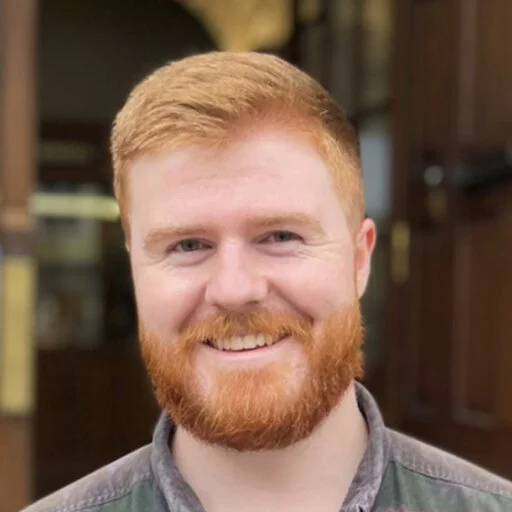
Dr. Alistair Sterling is a leading economist and consultant specializing in alternative asset markets. With a PhD in Financial Economics, he has dedicated his career to analyzing the intersection of market volatility and tangible assets. As the founder of Bidphoria, Dr. Sterling provides collectors with the data-driven insights needed to transform passion into a sophisticated investment portfolio