
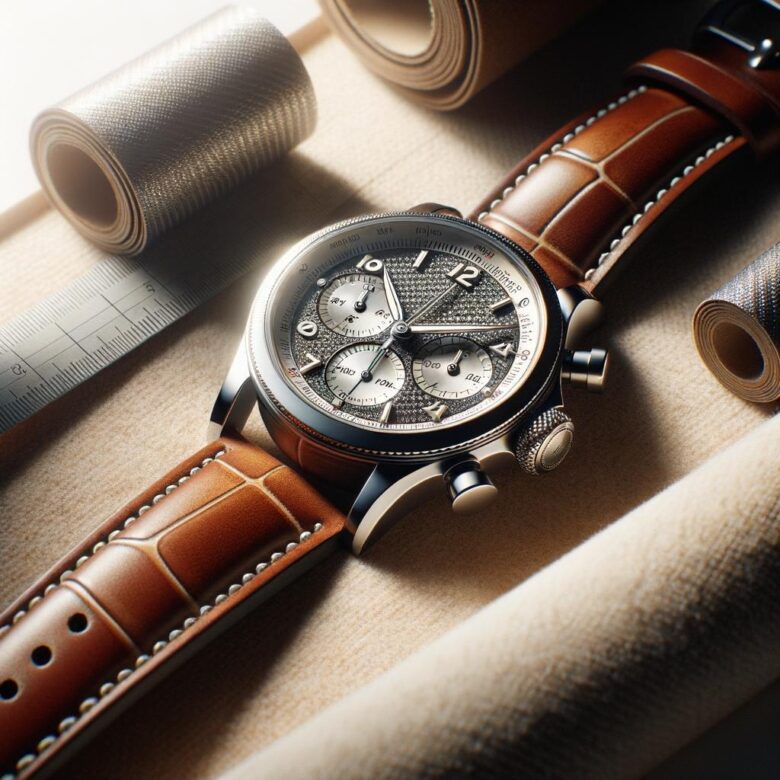
What if the most resilient asset in your portfolio isn’t a stock, bond, or property-but a watch on your wrist? In recent years, select luxury timepieces have delivered returns that outpaced major equity indexes, inflation hedges, and even some segments of real estate.
But this is not about buying any prestigious brand and hoping for appreciation. The real winners are specific references with rare production profiles, enduring collector demand, and a proven record of secondary-market strength.
Understanding which models consistently outperform traditional markets requires more than brand recognition. It demands a sharp look at scarcity, auction performance, historical pricing behavior, and the market psychology that turns certain watches into high-yield assets.
This article examines the luxury watch models that have repeatedly shown exceptional investment resilience-and why they continue to attract capital from collectors, investors, and wealth managers alike.
What Makes a Luxury Watch Model a High-Yield Alternative Asset?
What separates a watch that merely holds value from one that behaves like a high-yield alternative asset? Three things usually show up together: constrained supply, durable secondary-market demand, and a reference identity the market can recognize instantly. If a buyer has to explain why a model matters, liquidity is already weaker than it looks.
- Supply friction: not just “limited edition,” but genuinely difficult allocation, discontinued production, or low survival rates in untouched condition.
- Bid depth: repeated sales across dealers, auctions, and private channels, visible on WatchCharts, not one headline result.
- Reference clarity: collectors pay faster for a watch with a known nickname, dial variant, or movement milestone because pricing is easier to anchor.
In practice, this is why a stainless steel Rolex Daytona or Patek Philippe Nautilus reference can trade more like a compact financial instrument than a luxury good. A client can call three dealers, check recent auction comparables on Chrono24 and Phillips, and know within an hour whether the spread between asking and executable price is reasonable. That speed matters.
One quick observation: the box and papers question gets underestimated until money gets serious. I have seen two identical references, same year, same apparent condition, separated by several thousand simply because one had a clean warranty card, matching serial documentation, and no polishing history that raised eyebrows.
High-yield potential also comes from market behavior after issuance. Models with cross-regional demand, strong serviceability, and low style obsolescence tend to recover faster after broader market pullbacks. If servicing is difficult, authenticity is murky, or pricing depends on hype alone, it is not an asset class characteristic; it is speculation wearing a nice bracelet.
How to Identify Luxury Watch Models With Proven Resale Strength and Market Outperformance
What separates a watch that merely holds value from one that repeatedly beats its peers on resale? Start by tracking references, not product families. A Rolex Daytona 116500LN behaves very differently from a two-tone Datejust, even though both carry the same crown on the dial.
Use a simple screening workflow with WatchCharts, Chrono24, and recent auction results from Phillips or Sotheby’s. Check three things over a 3-to-5-year window: price stability during market pullbacks, transaction volume rather than just asking prices, and whether the model trades with a tight spread between dealer buy and retail ask.
- Favor references with long-term collector demand, not short-term hype driven by social media or celebrity wear.
- Look for constrained but repeatable supply: steel sports models, discontinued references, or low-production complications from brands with actual collector depth.
- Prioritize watches with complete sets, original dial configuration, and untouched case geometry; these details move resale faster than many buyers expect.
Quick real-world observation: polished lugs and service replacement dials quietly erase upside. I’ve seen buyers pay full market for a Submariner, then learn two years later that over-restoration made it harder to sell than a sharper example priced slightly higher at purchase.
One more filter matters. Compare the model’s behavior when the broader watch market softens; a strong reference usually keeps liquidity even when premiums compress. If a watch only looks good in a rising market, be careful-that is often momentum, not proven resale strength.
Common Investor Mistakes That Undermine Returns in the Luxury Watch Market
Most investors do not lose money on the watch itself; they lose it in the spread. Buying a hyped piece at a dealer premium and then selling in a soft quarter can erase years of paper gains, especially on references that trade often but thinly. I’ve seen buyers pay peak pricing on a steel sports model, then discover the same watch sits unsold for weeks on Chrono24 once sentiment cools.
Another mistake is treating “full set” as a minor detail. It isn’t. Box, papers, original bracelet links, service receipts, and even hang tags can change bid quality dramatically when you need to exit fast, because serious buyers use completeness as shorthand for lower risk. Small thing.
- Ignoring service timing: a watch due for overhaul may look fairly priced until a buyer deducts a four-figure service bill from the offer.
- Buying polished cases without checking lug shape and bezel edges: cosmetic shine often hides permanently reduced collector appeal.
- Confusing asking prices with transaction prices: screenshots from listings are not market comps.
A quick real-world observation: two identical references can perform very differently depending on dial variant, bracelet code, and year range. In practice, investors who skip reference-level verification on WatchCharts or fail to cross-check recent auction results on Phillips often overpay for the wrong sub-variant while assuming they own the “good one.”
And then there’s concentration risk. Putting most of your allocation into one trendy model line feels efficient, until a brand increases supply, collector taste shifts, or a new release pulls demand away. The smarter move is boring but effective: buy condition, buy liquidity, and know your exit before you wire funds.
Closing Recommendations
Luxury watches can outperform traditional assets, but only when buyers treat them as a disciplined market-not a passion purchase. The strongest long-term results usually come from scarce, highly liquid references with proven auction history, stable collector demand, and excellent condition. Chasing hype or paying peak-cycle premiums often erodes returns faster than storage, servicing, or insurance costs.
The practical decision is simple: prioritize quality, provenance, and entry price over trendiness. If your goal is capital preservation with upside, focus on models with deep resale markets and hold them long enough to smooth short-term volatility. In this segment, patience and selectivity matter more than volume.

Dr. Alistair Sterling is a leading economist and consultant specializing in alternative asset markets. With a PhD in Financial Economics, he has dedicated his career to analyzing the intersection of market volatility and tangible assets. As the founder of Bidphoria, Dr. Sterling provides collectors with the data-driven insights needed to transform passion into a sophisticated investment portfolio